Dr. Mary Ann’s Newsletter – Fall 2026

Hello and hope you are enjoying the end of summer!
For some of you, this is a very stressful back to school time. I recommend taking time to yourself when you can, vitality breathing (ask me ), Ashwaganda complex (in our office), even RELAX gummies (very popular) . Let us know if you need any help.
Office NEWS:
*Our office will be closed from September 15th to October 6th. We will be on vacation. Please call and someone can help you schedule appointments for after that or for supplements. We are offering 10% off all supplements in house during this time. Leave a message please. 410 628 9355 (WELL)
*Insight Thermography will be here on OCTOBER 1st from 9-1pm. So please schedule on their site if you need or want an appointment. A great way to scan your breasts or other tissues and avoid the mammography radiation, and pain. INSIGHT-HOLISTIC.com (Rhonda)
*I will be attending the WESTON A PRICE conference October 16-18th in Washington DC. I look forward to learning from experts and colleagues on health and related topics. Should be great agian. My annual FAMILY REUNION. You should go! Westonaprice.org. My middle son is such a fan, that he will be joining us again for the third year. When you find your people……
* I am searching once again for the right candidate for our front desk position. If you know anyone who is RELIABLE, has another PT job or doesn’t need more than one, please send them my way. Our office hours are listed on our website: leychiropractic.com
Have a BLESSED rest of the summer!
Dr MaryAnn
Table of Contents
- Chiropractic & Immune Function: More Connected Than Most People Think
- Chiropractic & Scoliosis: What It Is and What Can Be Done
- Digi Know Fun Facts
- Circadian Rhythm & Health: Working with Your Body Clock
- Skin Longevity & Inside-Out Health: The New Conversation About Your Skin
- Seasonal Eating for Fall: Let the Harvest Do the Work
- Zone 2 Training: The Most Underrated Exercise Strategy Available
- Words of Wisdom
- Researching Chiropractic
- Humor
- References
Chiropractic & Immune Function: More Connected Than Most People Think
The Nervous System Is Running Immune Traffic
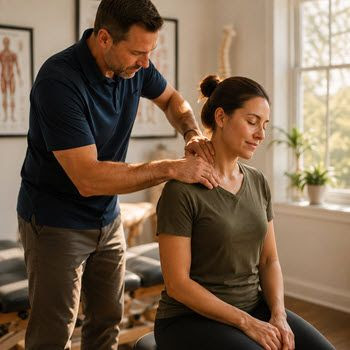
Cold and flu season has a way of making people reach for vitamin C, zinc, and whatever else is on the pharmacy shelf. Those things have their place. What rarely makes the list is a chiropractic adjustment, and that is a gap worth closing. The immune system does not operate independently. It receives constant input from the nervous system, which monitors threats, coordinates responses, and regulates the inflammatory activity that either protects the body or damages it depending on how well calibrated it is.
The spine houses the spinal cord, the primary communication highway between the brain and every organ and tissue in the body. When spinal segments are restricted, that communication gets noisy. The brain receives distorted feedback, the nervous system operates under low-grade stress, and the immune system runs less efficiently. It is not a dramatic shutdown. It is a subtle but cumulative drag on the body’s ability to respond to threats the way it was designed to.
What Research Has Found
A study published in the Chiropractic Research Journal found that long-term chiropractic patients had significantly higher levels of immunocompetence compared to both short-term patients and non-chiropractic controls, with immune markers in some cases running 200 percent above those of people who had never received chiropractic care.¹ That is not a marginal difference. It suggests that regular spinal care has a meaningful cumulative effect on immune function that goes well beyond pain management.
The mechanism makes biological sense. Chiropractic adjustments reduce the neurological stress load that chronic spinal restriction creates, lower cortisol output, and stimulate the mechanoreceptors that feed accurate sensory information to the brain. A nervous system that isn’t constantly managing low-grade physical stress has more capacity to direct resources toward immune surveillance and response.
Practical Timing for Fall
September is a smart time to prioritize spinal care. Kids are back in school, bringing home every circulating bug. Adults are returning to indoor environments after summer. Stress levels tend to climb as schedules fill back up. All of those factors load the immune system at exactly the same time. Getting ahead of that load rather than waiting for the first sign of illness is the kind of proactive approach that tends to produce noticeably better outcomes through the season.
Regular chiropractic care is not a cold and flu vaccine. It is a foundational health practice that keeps the system running well enough to handle what the season throws at it.
Chiropractic & Scoliosis: What It Is and What Can Be Done
Not Just a Curve on an X-Ray
 Scoliosis is one of those diagnoses that
tends to land heavily. A parent hears it at a school screening. An adult sees
it on an imaging report for the first time and realizes it has been there for
years. The mental image is of a spine dramatically bent sideways, but the
reality is usually more nuanced. Scoliosis is a lateral curvature of the spine
measuring more than 10 degrees on imaging, and it exists on a wide spectrum
from mild curves that require monitoring to significant structural deformities
that affect breathing and organ function.
Most scoliosis cases fall into the mild to moderate range and never progress to the point of requiring surgery. That is actually good news, because it means there is meaningful room for conservative care to make a difference. In most cases, scoliosis is not a fixed, unchangeable structural problem that must simply be accepted.
How Chiropractic Fits into the Picture
Chiropractic care does not straighten a scoliotic spine the way a brace or surgery might. Instead, it addresses the functional component of the condition: spinal restrictions, muscle imbalances, and neurological compensation patterns that develop around the curve and often drive progression or symptom severity.
A spine with a lateral curve places uneven load on discs, facet joints, and the surrounding musculature. Those areas of asymmetric stress develop restrictions over time, which feed back into the curve and compound the problem. Regular chiropractic adjustments address those restrictions, reduce the uneven loading, and help the nervous system maintain better postural awareness and control.
Research published in Scoliosis and Spinal Disorders found that chiropractic care combined with specific rehabilitation exercises produced measurable reductions in Cobb angle, the standard imaging measurement of curve severity, in adult scoliosis patients over a structured care period.2 That is a clinically meaningful outcome for a condition often presented to patients as something they simply have to manage.
Early Identification Matters
Adolescent idiopathic scoliosis, the most common type, develops during growth spurts and progresses most rapidly when the spine is actively growing. Early identification and intervention during those years produces significantly better long-term outcomes than waiting until growth is complete. Chiropractic assessment during childhood and adolescence can catch postural and spinal asymmetries that often precede a formal scoliosis diagnosis, making regular spinal checkups from an early age one of the strongest arguments for early care.
Digi Know Fun Facts
- September is named from the Latin word ‘septem’ meaning seven, as it was originally the seventh month in the early Roman calendar before January and February were added.
- The human immune system contains more than 37 billion specialized cells working around the clock to identify and neutralize threats, making it one of the most complex biological systems ever studied.
- September 22nd marks the autumn equinox in the Northern Hemisphere, one of only two days each year when day and night are nearly equal in length across the entire planet.
- September is Healthy Aging Month, a designation that recognizes the role of proactive lifestyle choices, including regular spinal care, in maintaining quality of life across the decades.
- September is also National Chiropractic Health Month in the United States, making it one of the most important months of the year for public education about spinal health and nervous system function.
- Sweet potatoes, one of fall’s most nutrient-dense foods, contain more beta-carotene per serving than almost any other vegetable, supporting immune function, skin health, and anti-inflammatory activity simultaneously.
Circadian Rhythm & Health: Working with Your Body Clock
The Clock the Body Runs On
 Every cell in the human body runs on a
roughly 24-hour biological clock synchronized to the planet’s light-dark cycle.
This circadian rhythm governs when cortisol rises in the morning, when
melatonin kicks in at night, when body temperature peaks, when digestion is
most active, and when the immune system does its most intensive repair work. It
is not a wellness concept. It is fundamental biology, and disrupting it
consistently produces consequences that reach into every corner of health.
Modern life is extraordinarily good at disrupting circadian rhythm. Artificial light after dark, inconsistent sleep schedules, eating at all hours, working across time zones, and spending most daylight hours indoors all send conflicting signals to the body clock, undermining its ability to run the precise timing sequences it was designed to maintain. The result shows up as poor sleep, sluggish metabolism, hormonal imbalance, impaired immunity, mood disruption, and accelerated cellular aging.
What Circadian Disruption Actually Does
The research on circadian misalignment is no longer limited to shift workers and long-haul travelers. It now applies broadly to anyone whose daily rhythms are significantly out of sync with natural light cycles, which in 2026 describes a large proportion of the population. Disrupted circadian timing impairs insulin sensitivity, increases inflammatory markers, suppresses immune function, reduces the quality of deep sleep, and compromises the overnight repair processes that keep the brain, spine, and every other tissue in the body functioning well.
Research published in the Proceedings of the National Academy of Sciences found that even modest circadian disruption, equivalent to social jet lag from irregular sleep schedules across the week, produced measurable increases in inflammatory markers and metabolic dysfunction in otherwise healthy adults.3 That is not a dramatic finding requiring extreme circumstances. It is a consequence of the ordinary inconsistency most people accept as normal.
Simple Anchors That Make a Real Difference
Getting outdoor light exposure within 30 minutes of waking is the single most powerful circadian anchor available. It sets the biological clock for the entire day, sharpens cortisol timing, and improves sleep quality that night. Keeping sleep and wake times consistent across seven days, including weekends, prevents the circadian drift that accumulates across the week. Dimming lights and avoiding screens in the hour before bed protects melatonin onset and sleep architecture.
None of this costs anything. The body clock is already built in. It just needs consistent signals to run accurately.
Skin Longevity & Inside-Out Health: The New Conversation About Your Skin
Beyond the Surface
 The skincare industry has spent decades
selling products designed to work on the outside. Creams, serums, and
treatments are applied topically to address what is fundamentally an inside
problem. That model is shifting. Skin longevity, the idea that healthy,
resilient skin over the long term is a function of systemic health rather than
topical intervention, is one of the most significant wellness conversations of
2026, and it is backed by a growing body of research that most dermatologists
and chiropractors alike are paying attention to.
Skin is not separate from the rest of the body. It is the body’s largest organ, reflecting what is happening internally with remarkable accuracy. Chronic inflammation shows up as redness, acne, and accelerated aging. Gut dysbiosis can show up as eczema, rosacea, and dull, reactive skin. Poor circulation produces uneven tone and slow healing. Hormonal imbalance drives breakouts and collagen breakdown. Addressing those root causes produces skin improvements that no topical product can replicate, because it fixes the system the skin depends on rather than managing surface symptoms.
The Gut-Skin Axis
The connection between gut health and skin condition is now well established in the research literature. The gut microbiome regulates systemic inflammation, produces nutrients the skin uses directly, and influences the hormonal environment that determines sebum production, collagen synthesis, and skin cell turnover. A compromised microbiome weakens the skin barrier.
Research published in the journal Gut Microbes confirmed that microbiome diversity was significantly associated with skin barrier function and inflammatory skin condition severity, and that interventions that improved gut health produced measurable improvements in skin outcomes.4 Fermented foods, prebiotic fiber, reduced sugar and processed food intake, and adequate hydration are not just gut health strategies. They are skin longevity strategies.
What Else Drives Skin Aging from the Inside
Chronic cortisol elevation breaks down collagen and impairs the skin’s ability to repair itself overnight. Poor sleep reduces growth hormone output, which is the primary driver of cellular repair during the sleep cycle. Chronic dehydration reduces skin elasticity and accelerates the appearance of fine lines. Nutrient deficiencies in zinc, vitamin C, vitamin A, and omega-3 fatty acids each compromise specific aspects of skin structure and function.
Addressing those factors does not require an expensive supplement protocol. It requires the same foundational habits that support every other system in the body. Good skin in the long term is a byproduct of a body that is genuinely well looked after.
Seasonal Eating for Fall: Let the Harvest Do the Work
Food Has Always Followed the Season
 Traditional food cultures around the
world shifted their diets with the seasons for a reason. Before global supply
chains made every food available year-round, people ate what was local and
available, and their bodies adapted to those rhythms. Fall brought root
vegetables, squash, apples, dark leafy greens, and warming spices. Those foods
are precisely what the body needs as temperatures drop, immune demands
increase, and the nervous system begins its transition toward the slower, more
restorative pace of winter.
Seasonal eating is not a nostalgic concept. It is a nutritionally sound strategy rooted in the fact that produce harvested at peak ripeness in its natural season contains higher concentrations of the vitamins, minerals, and phytonutrients it was designed to deliver. A tomato in January and a tomato in August are not the same food in any meaningful nutritional sense.
What Fall Puts on the Table
Sweet potatoes are one of the most nutrient-dense foods available in autumn, delivering beta-carotene, potassium, vitamin C, and fiber in a package that also supports stable blood sugar and sustained energy. Butternut squash, pumpkin, and other winter squashes share a similar profile and are among the richest dietary sources of carotenoids, the plant compounds that support immune function, reduce inflammation, and protect cellular health.
Dark leafy greens like kale, Swiss chard, and collards reach peak nutritional density in cooler weather. They deliver vitamin K, folate, magnesium, and a range of anti-inflammatory compounds that directly support bone density, nervous system function, and spinal health. Apples and pears bring prebiotic fiber that feeds the gut microbiome at exactly the time of year when immune demands are climbing.
Research published in the British Journal of Nutrition found that diets rich in diverse seasonal produce produced significantly higher antioxidant capacity and lower inflammatory markers than diets relying on out-of-season or processed food sources.5 The mechanism is straightforward. Fresh, varied, nutrient-dense food gives the body more to work with.
Warming Spices Are Not Just for Flavor
Turmeric, ginger, cinnamon, and black pepper are fall staples in traditional cooking for good reason. All four have well-documented anti-inflammatory and immune-supportive properties. Adding them liberally to soups, stews, roasted vegetables, and warm drinks is one of the simplest dietary upgrades available in autumn. The body is heading into its most immunologically demanding season. Giving it the raw materials to meet that demand through food first is always the smarter starting point.
Zone 2 Training: The Most Underrated Exercise Strategy Available
Slow Down to Get Fitter
 The fitness industry has spent decades
celebrating intensity. High-intensity interval training, maximum effort,
pushing limits, going harder. That approach has its place for certain goals and
certain populations. For most people most of the time, it is not the most
effective or sustainable way to build genuine long-term fitness. Zone 2
training, low-intensity aerobic work performed at a pace where conversation is
easy and effort feels moderate, is quietly becoming one of the most
evidence-supported exercise strategies in sports science and longevity
research.
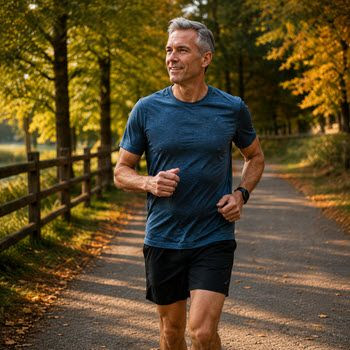
Zone 2 refers to a specific heart rate range, roughly 60 to 70 percent of maximum heart rate, where the body relies predominantly on fat as fuel and the aerobic energy system gets the sustained stimulus it needs to adapt and improve. It is the pace of a brisk walk, an easy jog, a relaxed bike ride. It feels almost too easy for people conditioned to associate exercise with discomfort, which is precisely why most people do not do enough of it.
What Zone 2 Actually Builds
The primary adaptation from consistent Zone 2 training happens in the mitochondria, the energy-producing structures inside muscle cells. More mitochondria, more efficient mitochondria, and greater mitochondrial density directly translate to better endurance, more stable energy across the day, improved fat metabolism, and better blood sugar regulation. These are not peripheral fitness benefits. They are core metabolic health markers that influence longevity, cognitive function, hormonal balance, and recovery from everything from illness to intense exercise.
Research published in the Journal of Physiology found that sustained low-intensity aerobic training produced superior mitochondrial adaptations compared with high-intensity training alone, with the greatest benefits in individuals who dedicated most of their training volume to low-intensity work.6Elite endurance athletes have known this for decades. Most of their training volume is easy, not hard.
Making It Work in Real Life
Three to four hours of Zone 2 work per week, spread across multiple sessions, is the target most longevity researchers point to for meaningful metabolic benefit. That sounds like a lot until you reframe it as walking, cycling, or swimming at a comfortable pace. A 45-minute brisk walk four times per week covers the ground entirely.
For chiropractic patients, Zone 2 training is particularly well suited. It is low impact, supports disc health through gentle rhythmic movement, and reduces the systemic inflammation that drives chronic pain without placing the kind of compressive or shear load on the spine that high-intensity exercise can.
Words of Wisdom
“The greatest medicine of all is teaching people how not to need it.” – Hippocrates
“The natural healing force within each of us is the greatest force in getting well.” – Hippocrates
“An ounce of prevention is worth a pound of cure.” – Benjamin Franklin
“It is health that is real wealth, and not pieces of gold and silver.” – Mahatma Gandhi
“In every walk with nature, one receives far more than he seeks.” – John Muir
“He who has health has hope, and he who has hope has everything.” – Arabian Proverb
Researching Chiropractic
Chiropractic clinical case histories have been a regular feature of our patient newsletter since its beginning. Over the years, we’ve shared many stories of people who experienced meaningful improvements in their health, comfort, and quality of life through chiropractic care.
How many others living with discomfort, relying on medication, or feeling limited in their daily lives might benefit from discovering chiropractic?
Perhaps more than you think.
Disc Herniation & Chiropractic Care 7
Surgery for a herniated disc feels like the logical endpoint for a lot of patients. The pain is severe, nothing else has worked, and a surgeon is offering a concrete solution. Before that decision gets made, there is research worth knowing about. A study published in the Journal of Manipulative and Physiological Therapeutics examined outcomes for patients with lumbar disc herniation who received chiropractic care and found results comparable to those achieved through surgical intervention. Same outcomes, without going under the knife. For patients who have been told surgery is their only real option, that finding deserves serious consideration. Chiropractic care addresses the mechanical environment around the disc rather than the disc in isolation, and for a significant proportion of herniation cases that mechanical approach produces the relief patients have been looking for without the recovery time, the risks, or the cost that surgery carries.
Spinal Health & Breathing Capacity 8
Most people would not connect a chiropractic adjustment to their ability to breathe more easily. The connection is more direct than it seems. Research published in the Journal of Manipulative and Physiological Therapeutics found that combining manual therapy with exercise produced measurable improvements in respiratory function and respiratory muscle strength in healthy adults. The thoracic spine, the mid-back section that connects directly to the rib cage, plays a significant role in how freely the chest wall expands with each breath. When those segments are restricted, breathing becomes subtly shallower, and the respiratory muscles work harder than they should. Restoring thoracic mobility through chiropractic care removes that mechanical brake on breathing capacity. For patients dealing with chronic tension, poor posture, or the kind of desk-bound lifestyle that rounds the upper back and compresses the chest, improved breathing function is one of the quieter but more meaningful benefits of regular spinal care.
Humor
Why did the spine go back to school in September? Because it wanted to get a little more support.
Why did the sweet potato win the science fair? Because it had the most well-rounded nutritional profile in the class.
Why did the gut microbiome get a promotion? Because it had the best culture in the whole company.
Why did the skin specialist love autumn? Because all her patients were finally showing their true colors.
Bye
Please write or stop by to share your feedback. Are there any subjects you’d like to hear about? Anything you dislike? Feedback is always important to us. And, of course, if you’d like hard copies of this newsletter, stop by the office, and we’ll give you some for your friends and relatives. If they have an email, have them write to us, and we’ll add them to our subscriber list.
References
- Pero R. “Medical researcher excited by CBSRF project results.” The Chiropractic Journal. 1989;32.
- Morningstar MW, Woggon D, Lawrence G. “Scoliosis treatment using a combination of manipulative and rehabilitative therapy.” Scoliosis and Spinal Disorders. 2004;2(1):32.
- Salem I, Ramser A, Isham N, Ghannoum MA. “The gut microbiome as a major regulator of the gut-skin axis.” Gut Microbes. 2018;9(5):1228-1263.
- Leproult R, Holmback U, Van Cauter E. “Circadian misalignment augments markers of insulin resistance and inflammation, independently of sleep loss.” Diabetes. 2014;63(6):1860-1869.
- Leighton F, Polic G, Strobel P, et al. “Health impact of Mediterranean diets in food at work.” British Journal of Nutrition. 2009;98(S1):S435-S441.
- Lundby C, Jacobs RA. “Adaptations of skeletal muscle mitochondria to exercise training.” Experimental Physiology. 2016;101(1):17-22.
- Oliphant D. “Safety of spinal manipulation in the treatment of lumbar disk herniations.” Journal of Manipulative and Physiological Therapeutics. 2004;27(3):197-210
- Engel RM, Vemulpad S. “The effect of combining manual therapy with exercise on the respiratory function of normal individuals.” Journal of Manipulative and Physiological Therapeutics. 2007;30(7):509-513.